I can choose who gets my money when I die, right?
Dec 31, 2025

People often assume they can bequeath their assets to whichever person or organization they choose—but that isn’t always the case. In some circumstances, the courts may interfere with a person’s autonomy when leaving their wealth to an individual or charitable cause.
Factors that may support a variance in estate distribution
Support obligations
In provinces and territories except Quebec, courts take different approaches to determine whether to order payment for a dependant (such as a spouse or child) from a deceased’s estate when there is a claim that the person had not been sufficiently provided for. Some jurisdictions use a needs-based approach, where the court determines whether the person claiming relief against the estate has a reasonable financial need, considering their lifestyle and that of the will-maker. Others base their decision on whether the deceased had a moral obligation to support the person making the claim.
In Quebec, if the deceased has not provided sufficiently for a dependant, the dependant may claim an obligation that would create a debt against the estate. However, the distributions set out in the will do not change on this basis.
Testamentary capacity
When it is alleged the deceased lacked testamentary capacity when they signed their will, the court will look retrospectively into whether the deceased was capable of making a will and make a finding based on the evidence presented. Challenges to testamentary capacity are typically made on the grounds that the deceased:
- Did not have the requisite mental capacity to understand the implications of the gifts being made or the value of the assets being gifted
- Lacked appreciation of which beneficiaries were included or excluded and/or
- Was unduly influenced or coerced
Public policy
Courts will look at the gift being made and intervene if it contravenes public policy or is deemed unlawful. Gifts made to organizations that promote hate of certain groups are considered morally reprehensible and against public policy. Similarly, if a gift has discriminatory conditions attached to it, it will likely be deemed contrary to public policy. In either instance, the gift will be null and void.
Protect your estate against a potential will challenge
While you may not be able to stop your estate from being challenged after your death, you can take steps to mitigate the risk. It’s best to retain a legal advisor who can prepare your will and alert you to any red flags that suggest your estate may be met with a will challenge. Note that if you don’t heed the advice you receive, the legal advisor may decline to prepare the documents.
When consulting with your legal advisor, provide full and complete disclosure of your financial situation, family situation and any concerns you may have. For instance, don’t “forget” to mention the adult child you are intentionally excluding from benefiting under your estate. Instead, inform your legal advisor of the child’s existence and the reasons why you are excluding this child. With all relevant information, your legal advisor will be in a better position to give you sound advice about how to protect against potential claims. Your legal advisor’s notes about your reasons for making certain decisions may go a long way toward helping to ensure the distribution of your wealth goes as planned—to the beneficiaries you want to benefit.
I would like to extend a special thank you to my colleague, Magali Dussault-Brodeur, wealth planning consultant at CI Assante Private Client, for her invaluable assistance and unwavering support in preparing each blog.
About the Author
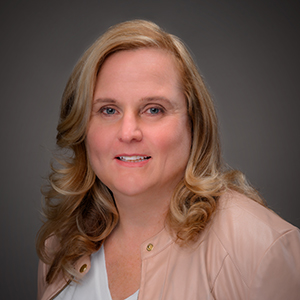
Valerie Markidis
As a Wealth Planning Consultant with CI Assante Private Client's Wealth Planning Group, Valerie works closely with our team to provide solutions for our clients in the intergenerational transfer of wealth, with a focus on estate planning. Valerie joined CI Assante in 2022, bringing 14 years of experience at two major trust companies, where she held national responsibility for Wills and actively supported advisors across Canada with questions and interpretations related to Wills, Powers of Attorney and Trusts.
Prior to her tenure with the trust companies, Valerie worked in private practice, where wills and estates were some of her key focus areas. She is lawyer with a Bachelor of Law degree from Osgoode Hall Law School and an Honours BA from Queen’s University.