Why Verifying Asset Ownership Is the First Step in Estate Planning
Apr 17, 2026

Get started on your estate plan by verifying asset ownership
Has the thought of estate planning ever felt so overwhelming that it gave you a headache? From a practical perspective, estate planning shouldn’t be so daunting. In reality, many don’t have the faintest idea where to start. They’re just certain about one thing—that they should have a will. So, here’s where you can begin.
The first step is to create a complete list of your assets. Take inventory of everything. Include bank accounts, investment accounts, registered accounts, real estate, vehicles, businesses, life insurance policies, and any other items of monetary value (such as jewellery or artwork).
Next to each item, note how it is owned. Assets may be owned by you personally, through a business or held within a trust. Verifying asset ownership is important because the form of ownership determines an asset’s treatment on death.
Personal ownership
You may be the sole owner of an asset or one of multiple owners.
Solely owned assets that allow a beneficiary designation may pass to that beneficiary outside your will. For instance, it is common to designate a beneficiary for certain assets, including registered retirement plans1, pension plans or life insurance policies.
Assets that do not allow a beneficiary designation are distributed according to your will. If you don’t have a will, your assets are following intestacy laws in your province.
Assets with more than one co-owner may be held as “joint with right of survivorship” or “tenants-in-common”—except in Quebec, where you may only own property as a co-owner (similar to a “tenants-in-common” arrangement).
“Joint with right of survivorship” assets transfer directly to the surviving owner(s) outside your will and estate. With “tenants-in-common” assets, your interest in the asset is distributed according to your will (or through the intestacy process), subject to the terms of any co-ownership agreement.
Corporate ownership
If you’re a business owner, some assets you consider your own may be registered in the name of your corporation. This may include real estate, investments and equipment. Since you don’t own these assets directly (instead, you own shares of the corporation), you can’t instruct that a specific business asset go to a specific beneficiary. You can only gift the shares of the corporation, subject to the terms of any shareholders’ agreement.
Corporate ownership adds a layer of complexity to estate planning. Central questions become:
- Who will inherit the shares?
- Who will have control of the corporation?
- Who will benefit financially?
- How can conflict be avoided?
Trust ownership
Trusts that can be implemented during your lifetime include bare trusts, family trusts, and alter-ego or joint partner trusts. Beneficiaries of a trust often think of the trust assets as their own, since they benefit from the trust. However, the trust—not the beneficiaries— is the owner. That’s why, in most cases, a trust beneficiary cannot direct how trust assets are distributed on death. Instead, the assets flow according to the terms of the trust.
Trust ownership, like corporate ownership, works differently because legal ownership is separate from the individual(s) who benefit from the assets.2 This means it’s critical to ensure instructions in your will coordinate with trust terms.
Watch for future blogs
This is just a snapshot of ownership types and how they may affect your estate plan. That said, itemizing your assets and confirming their legal ownership is essential to make sure you have a properly crafted estate plan that realizes your wishes.
In future blogs, we’ll take a deeper dive into different types of ownership and their impact on estate planning.
1 Quebec allows registered plan beneficiary designations only for insurance, annuities and segregated funds. Otherwise, they must be made in a will.
2 In Quebec, the property owned by the trust constitutes an autonomous and distinct patrimony.
About the Author
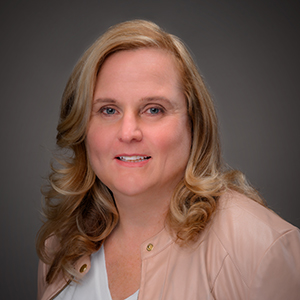
Valerie Markidis
As a Wealth Planning Consultant with CI Assante Private Client's Wealth Planning Group, Valerie works closely with our team to provide solutions for our clients in the intergenerational transfer of wealth, with a focus on estate planning. Valerie joined CI Assante in 2022, bringing 14 years of experience at two major trust companies, where she held national responsibility for Wills and actively supported advisors across Canada with questions and interpretations related to Wills, Powers of Attorney and Trusts.
Prior to her tenure with the trust companies, Valerie worked in private practice, where wills and estates were some of her key focus areas. She is lawyer with a Bachelor of Law degree from Osgoode Hall Law School and an Honours BA from Queen’s University.